


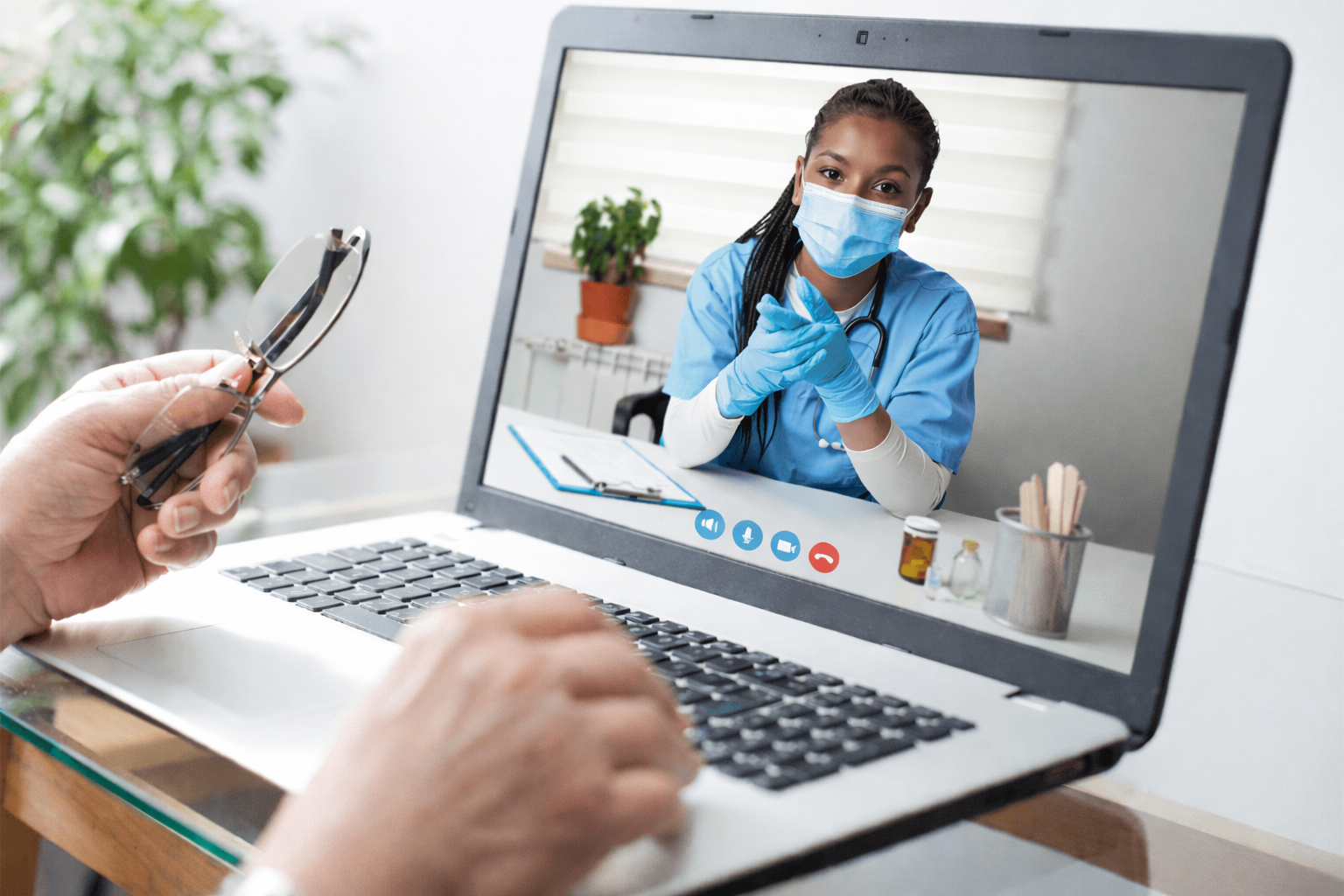









Access to mental health care remains a challenge for millions of people across the United States. Long waitlists, provider shortages, transportation barriers, and stigma can keep patients from getting help when they need it most. Telehealth mental health services are helping bridge that gap by bringing therapy, psychiatry, and follow-up care to patients wherever they are — often faster and with greater convenience.
At LinMed Behavioral Health, telehealth supports our mission to make mental and behavioral health care more accessible, consistent, and patient-centered.
The Mental Health Access Gap (And Why It Matters)
Many communities have fewer mental health clinicians than patients need. Even in large cities, scheduling can be difficult — and for people in rural or underserved areas, care may feel out of reach. Common barriers include:
Limited availability of psychiatrists and therapists
Long wait times for appointments
Travel time, transportation, and mobility constraints
Work schedules, caregiving responsibilities, and childcare needs
Concerns about privacy or fear of judgment
When care is delayed, symptoms can worsen and daily functioning can suffer.
What Telehealth Mental Health Care Includes
Telehealth for mental health (also called telemental health or telebehavioral health) uses secure technology to deliver care remotely. Depending on patient needs, telehealth may include:
Therapy sessions and counseling
Psychiatric evaluations
Medication management and refills
Follow-up visits and progress monitoring
Care coordination and referrals
The National Institute of Mental Health (NIMH) provides a helpful overview of what services can be delivered virtually and what patients should consider when choosing a provider. (nimh.nih.gov)
How Telehealth Providers Help Bridge the Access Gap
1) Expanding Access Beyond Geography
Telehealth reduces geographic limitations, helping patients connect with licensed professionals without a long commute. This is especially meaningful for patients in areas with fewer mental health providers.
2) Helping Patients Start Care Sooner
Virtual appointments can improve scheduling flexibility and reduce missed visits caused by travel or time constraints. Telehealth is increasingly recognized as a practical way to increase capacity and access across behavioral health systems. (telehealth.hhs.gov)
3) Supporting Continuity of Care
Mental health treatment often works best with consistency. Telehealth can make it easier for patients to attend regular therapy sessions, maintain medication follow-ups, and stay connected to care during life changes (work, school, relocation).
4) Improving Comfort and Privacy for Some Patients
Many patients find it easier to open up in a familiar environment. For those worried about stigma, telehealth may feel more private and less intimidating than in-person visits.
5) Maintaining Quality and Safety Standards
Telehealth isn’t “less than” in-person care. For many conditions, research suggests outcomes can be comparable when appropriate clinical standards are followed. (PMC)
Professional guidance also exists for safe, ethical telehealth delivery — including privacy, informed consent, and clinical appropriateness. (APA)
Who Can Benefit Most From Telehealth Mental Health Services?
Telehealth can be a great fit for many patients, including:
Individuals managing anxiety, depression, or stress
Patients who need medication follow-ups
Busy professionals and caregivers
College students and young adults
Patients with mobility challenges or limited transportation
That said, telehealth may not be appropriate for every situation. Some patients may need in-person support, especially during certain emergencies or if a higher level of care is required. SAMHSA also offers guidance on implementing telehealth across a full continuum of behavioral health services. (library.samhsa.gov)
The Future of Mental Health Care Is More Flexible
Telehealth is no longer a temporary option. It’s now a major pathway to care — and a key part of building a more accessible mental health system.
If you or someone you love is struggling, support is available.
Schedule an appointment to speak with a qualified mental health professional.